Cubic Yard Calculator

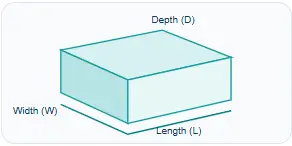
Whether you’re measuring for a concrete pour or estimating the amount of mulch, gravel or sand to order, a cubic yard calculator helps prevent costly over-ordering and frustrating shortages. Just enter dimensions (length x width x depth) and the tool instantly calculates volume in cubic yards.

Calculate Cubic Yards

Enter your measurements to calculate the volume of your project.

Choose your preferred units
Cubic Yards 1.23 yd³ Total volume
Cubic Feet 33.33 ft³ Total volume
Cubic Meters 0.94 m³ Total volume

Estimate Material Cost

Estimated Total Cost: —

Results are estimates. Actual material requirements may vary because of compaction, uneven surfaces, and waste.

Cubic Yard Calculator

Multiple Materials

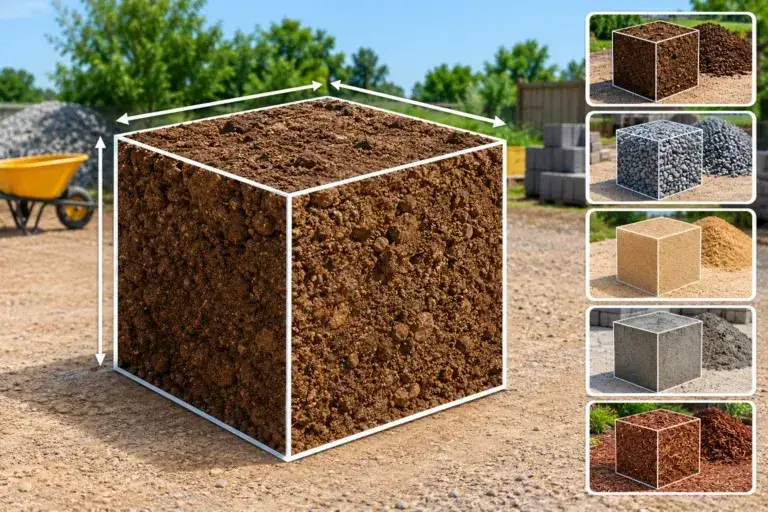
Calculate for soil, gravel, concrete, mulch, sand and more

Instant Results

Get accurate cubic yard measurements in seconds.

Mobile Friendly

It is easy for use in mobile, tablet and desktop.

Built for everyone

Built For Everyone

Perfect for homeowners, contractors and DIY projects.
How It Works

Simple Steps to Get Your Cubic Yards

Our calculator make it easy, just follow these 3 simple steps.

Dimension

Enter Dimension

Add the length, width and depth in feet or meter.

Material

Select Material

Choose the material type if you needed

Cubic yard result

Get Your Result

Click calculate and see your cubic yards instantly.

What Is Cubic Yard

What Is Cubic Yard

A cubic yard is a unit of volume that equals 27 cubic feet. It is commonly used in construction, landscaping, and other projects to measure materials like concrete, gravel, soil, mulch, and sand. One cubic yard means a space that is 3 feet long, 3 feet wide, and 3 feet deep.

How to Calculate Cubic Yards

How to Calculate Cubic Yards

To calculate cubic yards, first measure the area’s length and width in feet and its depth in feet. Multiply these three measurements to get the volume in cubic feet. Then divide the result by 27 to convert it into cubic yards.

Cubic Yards Formula:

Cubic Yards = (Length × Width × Depth) ÷ 27

Example:

For an area measuring 10 feet long, 10 feet wide, and 4 inches deep, convert the depth to feet (4 ÷ 12 = 0.333 feet). Multiply 10 × 10 × 0.333 to get approximately 33.33 cubic feet. Divide 33.33 by 27 to get approximately 1.23 cubic yards.

Cubic Yard Coverage Chart

This chart shows the theoretical area covered by one cubic yard at different material depths.

Depth Coverage (square feet)
1 inch
324 sq ft
2 inch
162 sq ft
3 inch
108 sq ft
4 inch
81 sq ft
6 inch
54 sq ft
12 inch
27 sq ft
Cubic yardage

Cubic Yardage Quick Conversions

Table Header Table Header
1 Cubic Yard
27 cubic feet
1 Cubic Yard
0.7646 cubic meter
1 Cubic Foot
0.03704 cubic yard
1 Cubic Meter
1.308 cubic yard

Need to Plan a Bigger Project?

Use the calculator to estimate volume and material cost before you order.

Extra Material Guide

Use this chart, based on US rules, to estimate how much extra material you may need for projects involving concrete, gravel, mulch, and soil.

Material Recommended Extra Why Add Extra?
Concrete
5–10%
Helps cover spillage and uneven forms.
Gravel
5–10%
Accounts for compaction and uneven ground.
Mulch
5–10%
Covers small gaps and uneven spreading.
Soil
10–15%
Allows for settling, grading, and low spots.

Calculate Cubic Yards for Different Materials

The volume formula is the same for most loose and solid materials. Choose the right material calculator if you need material-specific estimates or ordering guidance.

Concrete calculator

Concrete Calculator

For slabs, footings and foundations.
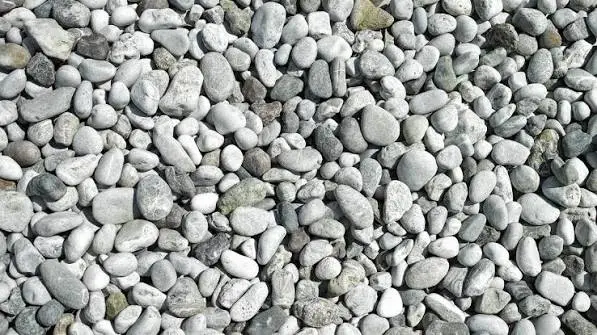
Gravel

Gravel Calculator

For driveways, paths and drainage.
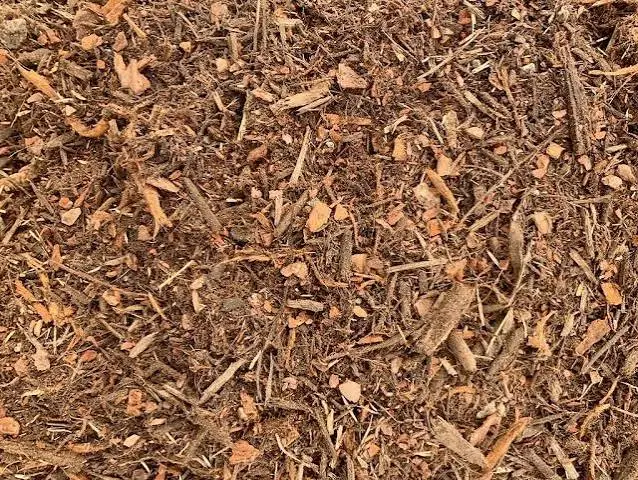
Mulch

Mulch Calculator

For gardens and landscape beds.
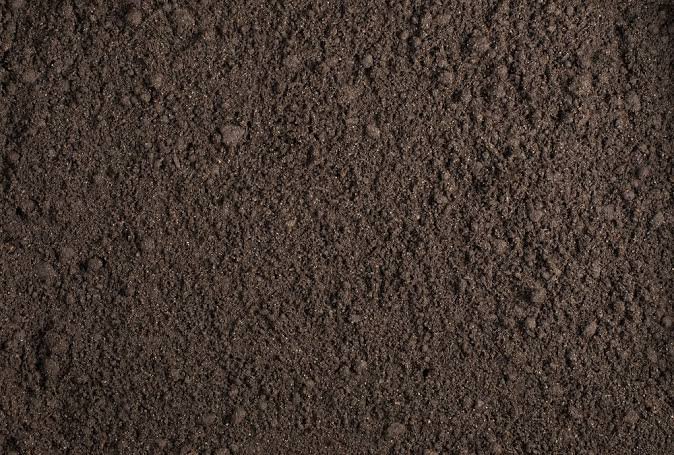
Topsoil

Topsoil Calculator

For lawns and planting areas for good option.
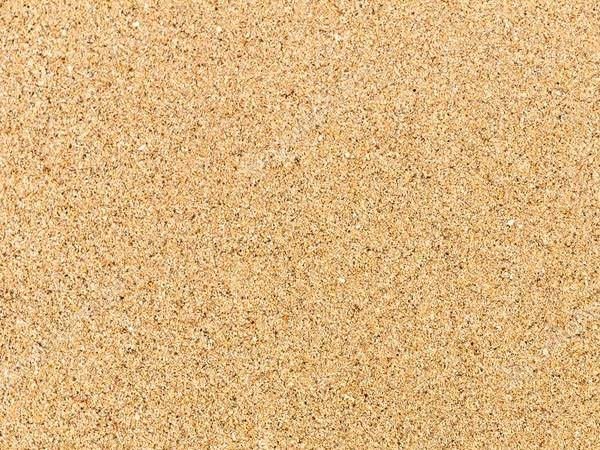
Sand

Sand Calculator

For leveling and other projects.

Frequently Asked Questions

One cubic yard equals 27 cubic feet. Multiply cubic yards by 27 to convert to cubic feet.

Yes. Select inches from the depth unit menu. The calculator converts the measurement before calculating volume.

Split the area into smaller regular sections, calculate each section separately, and add the volumes together. For sloped or curved areas, use a suitable shape-specific method.

It depends on the project. Uneven ground, compaction, spillage, and material type can affect the amount needed. Use the waste field as an estimate, then confirm requirements with your supplier.

Estimates are based on the dimensions entered. Confirm material quantities and delivery requirements with your supplier before ordering.

You need the material depth to convert square feet to cubic yards. Multiply the area in square feet by the depth in feet, then divide by 27.

No. Square feet measure area, while cubic yards measure volume. You need the depth or thickness to calculate the volume.